The 2026 White Paper on Consumer Health Tech

What's inside the report
Why the health record went continuous, AI became the interface, and trust became the constraint every team now designs around.
The adoption, funding, and behavior data behind the category, including where 2025’s $14.2B actually went and why retention isn’t keeping pace.
The interface patterns emerging across Oura, WHOOP, and Google, and what they signal about where the category is headed.
Practical guidance on AI that interprets instead of displays, real personalization vs. personalization theater, and who really owns health data.
The three product decisions behind a ~70% drop-off in the first 100 days, and how the best teams avoid them.
The sensor, regulatory, and competitive shifts most likely to separate the winners from everyone else.
The three forces reshaping consumer health in 2026, and what they demand from your product.
01
Data without interpretation becomes homework.
The best products don’t pile on more metrics and dashboards. They turn a continuous stream of signals into one clear, credible next step, the way Oura’s “One Big Thing” and WHOOP’s Healthspan turn raw sensor data into something a person can actually act on.

02
AI is now the interface.
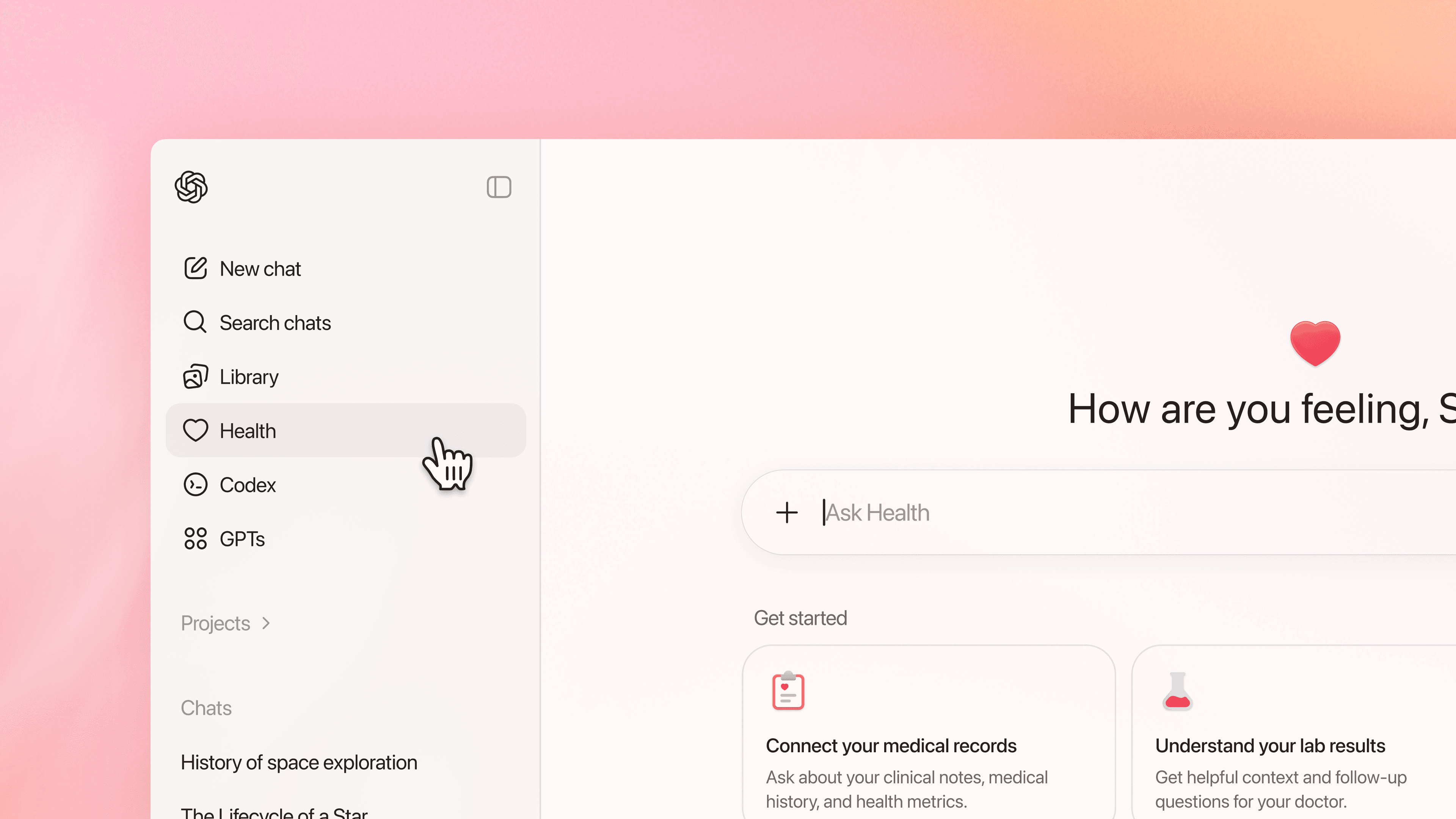
Roughly 1/3 US adults already ask AI about their health, and every major player has shipped an assistant. The real edge is whether that assistant can safely understand a person’s health context, and know when to stop and hand off to real care.
03
Trust is a product requirement.
77% of people worry about the privacy of the health data they give to AI, and hand it over anyway. After the 23andMe collapse, privacy, consent, and clear safety boundaries are no longer legal fine print. They’re part of the product experience.